In Defense of Utility-First CSS
An article defending utility-first CSS, comparing it to software design patterns and functional programming, and addressing common criticisms.

Using SVG's viewBox and preserveAspectRatio attributes to crop and scale images as a fallback or alternative to CSS object-fit.
A technical guide explaining how to create and control CSS animations using @keyframes and animation properties.
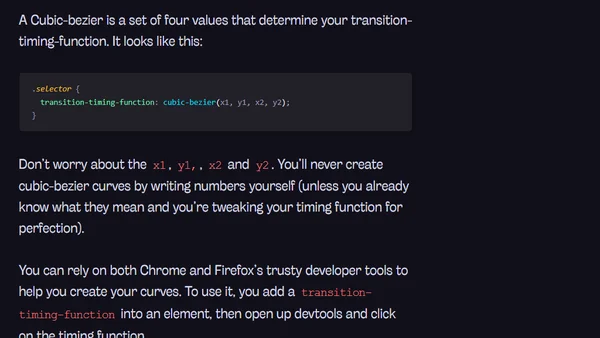
A guide explaining how CSS Transitions work, covering properties, timing functions, and triggering methods for web animations.
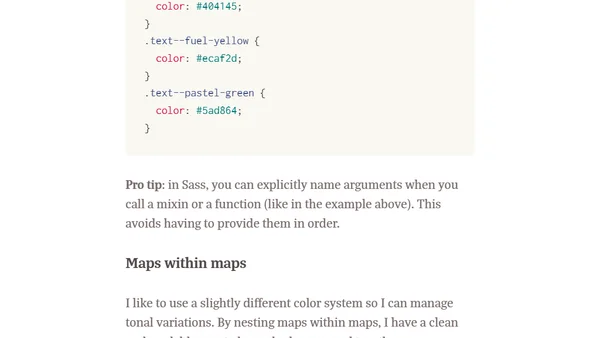
A guide on using Sass maps to programmatically generate utility classes for colors, improving maintainability and scalability in CSS.
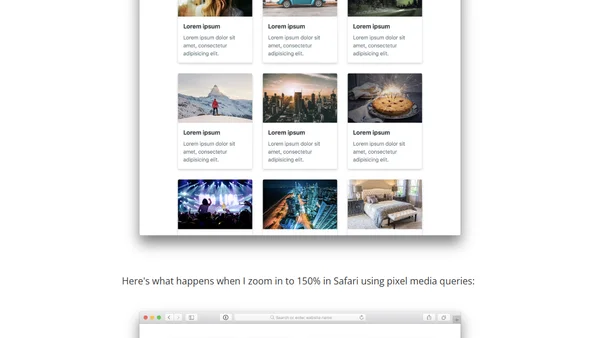
Explains a historical Safari bug with em-based media queries and why pixels were the recommended unit for consistent responsive design.
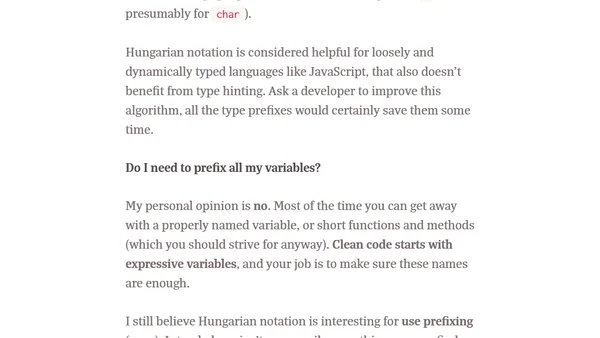
Explains Hungarian notation, a naming convention using prefixes to improve code readability and maintainability in JavaScript and CSS.
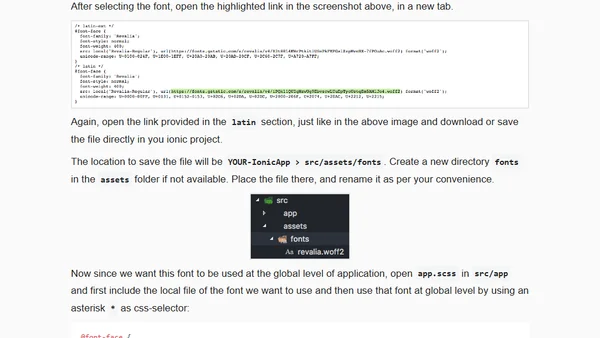
A tutorial on how to integrate and use custom Google Fonts in an Ionic 2/3 mobile application by adding font files locally and applying CSS.
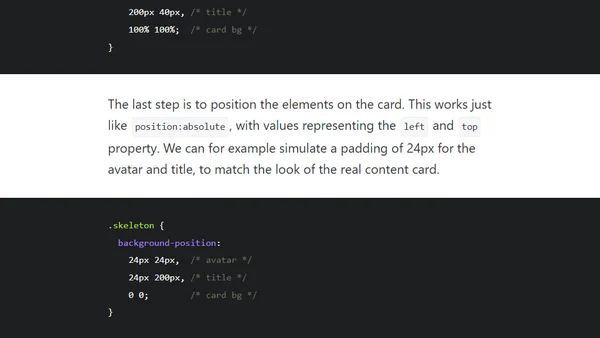
A guide to creating skeleton loading screens with CSS to improve perceived performance and user experience.
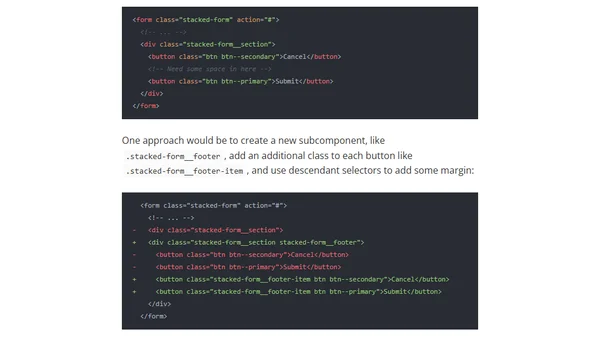
A developer's journey from semantic CSS to functional utility classes, challenging traditional 'separation of concerns' in web development.
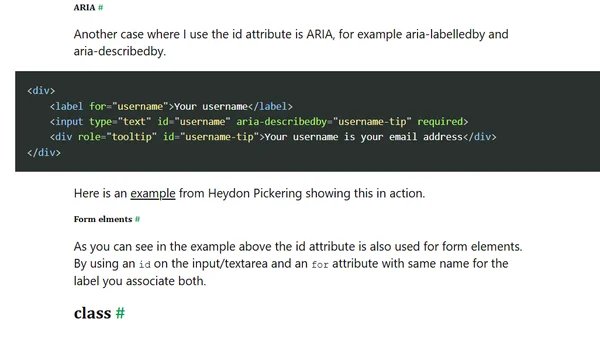
A frontend developer shares best practices for using id, class, and data attributes in HTML, CSS, and JavaScript to avoid conflicts.
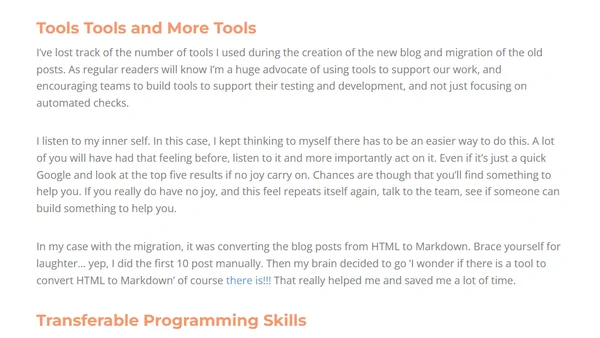
A developer shares ten key technical lessons learned from migrating a blog from Blogger to Jekyll on GitHub Pages.
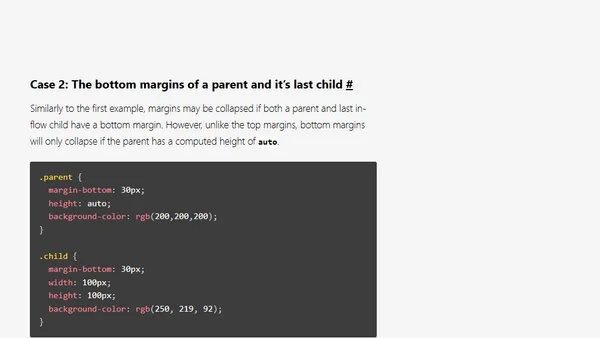
Explains the CSS concept of collapsing margins, where adjoining vertical margins between block-level elements combine into a single margin.
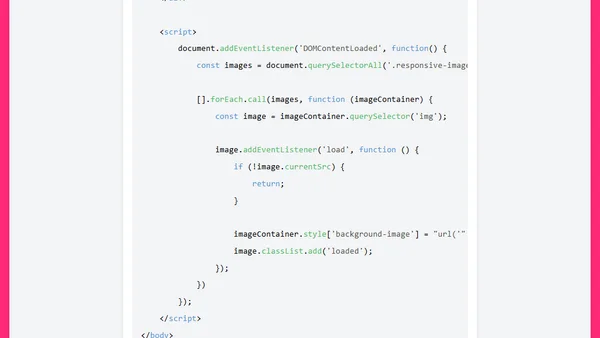
A technique for using responsive images with CSS background properties, enabling flexible hero images with optimized loading.
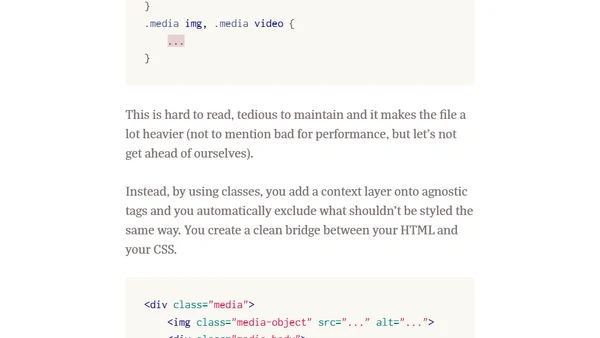
Explains why targeting HTML tags directly in CSS is problematic for maintainability and scalability, advocating for using classes instead.
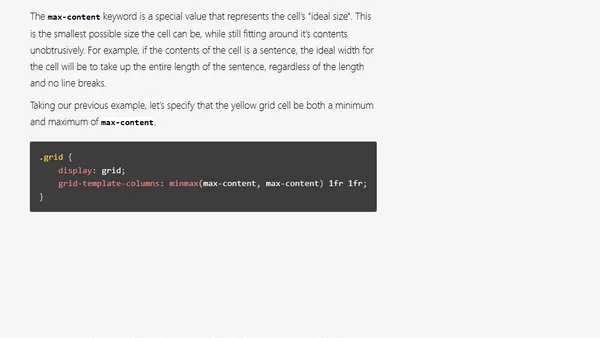
Explains the CSS minmax() function for creating flexible grid layouts with minimum and maximum size constraints.
A CSS developer discusses when and why to break established coding rules and best practices, using BEM and CSS grids as examples.
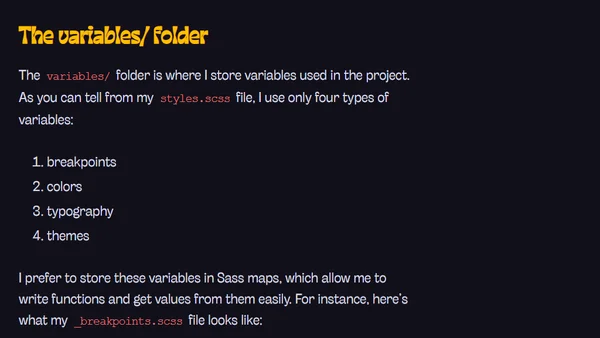
Explores CSS file structure best practices, comparing traditional type-based organization with component-based approaches for modular projects.
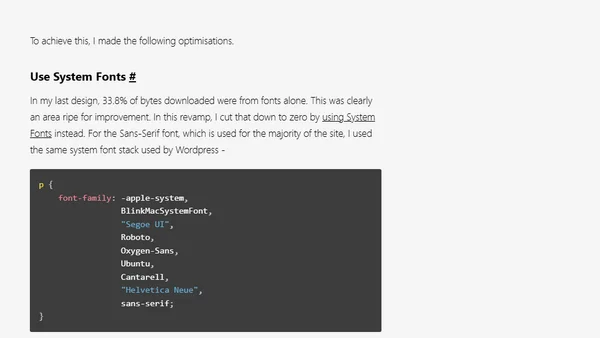
The author details the process of redesigning and rebuilding their tech blog, focusing on logo creation, design decisions, and performance improvements.
Explains why BEM alone isn't enough for scalable CSS and introduces a namespace system to create a more robust, side-effect-free architecture.