Daily Reading List – February 12, 2026 (#720)
A daily tech reading list covering AI agents, platform engineering, API docs, AI UX, and cloud performance trends.
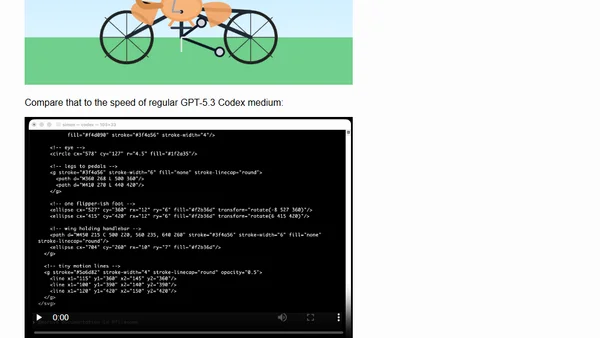
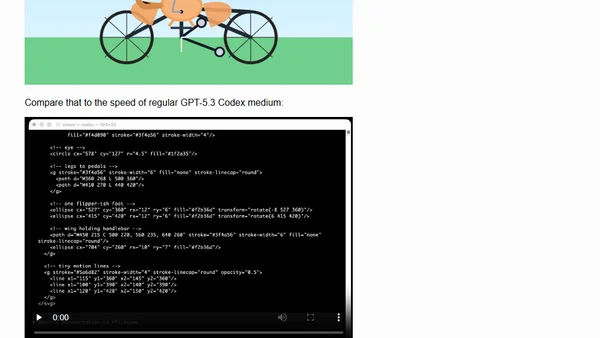
OpenAI and Cerebras launch GPT-5.3-Codex-Spark, an ultra-fast, text-only AI model for real-time coding with a 128k context window.
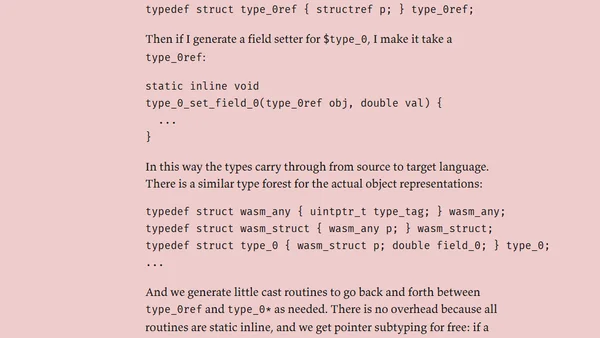
A compiler engineer shares practical tips for generating C code, focusing on static inline functions and avoiding implicit integer conversions.
A software engineer's lament on AI's impact on programming, mourning the loss of hands-on coding as a craft.
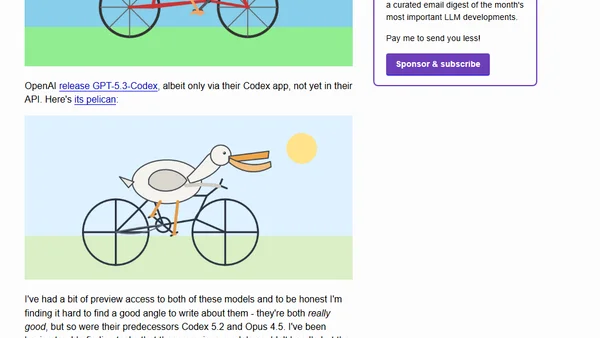
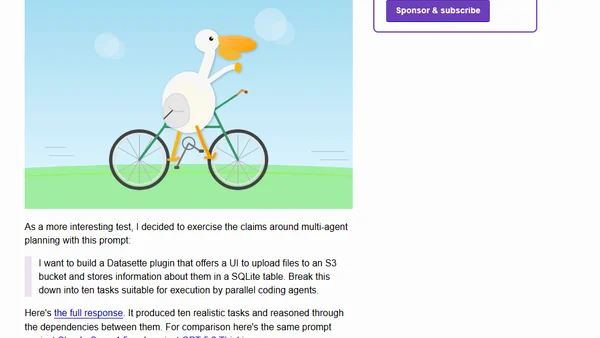
Anthropic releases Opus 4.6 and OpenAI releases GPT-5.3-Codex, with analysis on their incremental improvements and capabilities.
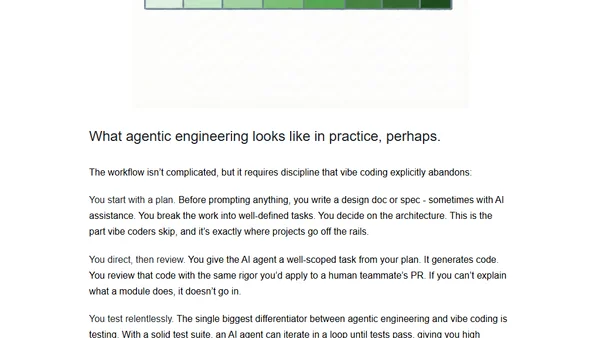
Distinguishes reckless 'vibe coding' from disciplined, AI-assisted professional software engineering, proposing 'agentic engineering' as a better term.
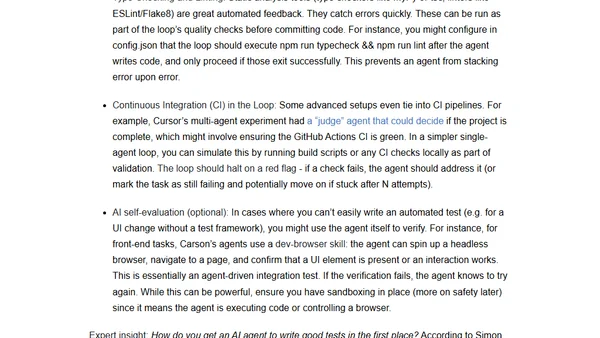
A guide to setting up autonomous AI coding agents that work in continuous loops to write, test, and commit code automatically.
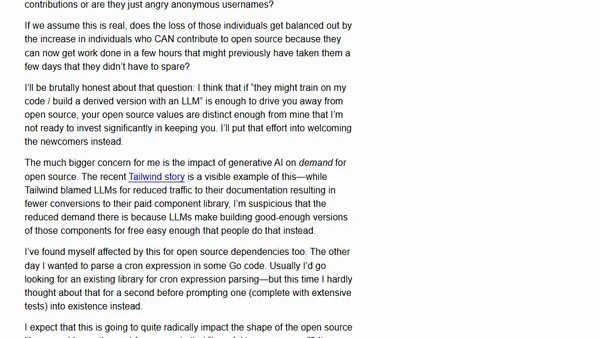
A software engineer describes replacing a $120/year SaaS tool with a custom LLM-generated solution in just 20 minutes, questioning the future of simple SaaS.
A five-level model for AI-assisted programming, from basic autocomplete to fully autonomous 'dark factory' software development.
Kimi K2.5 is a new multimodal AI model with visual understanding and a self-directed agent swarm for complex, parallel task execution.
Explores the two distinct uses of AI-assisted coding: professional developer acceleration and 'vibe coding' for rapid prototyping, and the implications for the industry.
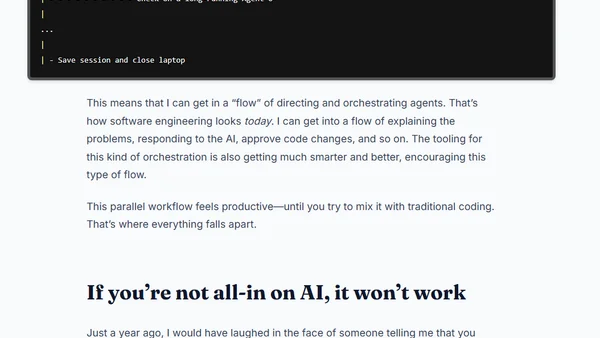
Explores developer context-switching challenges and workflow changes when integrating AI coding agents like Claude and Gemini into software engineering.
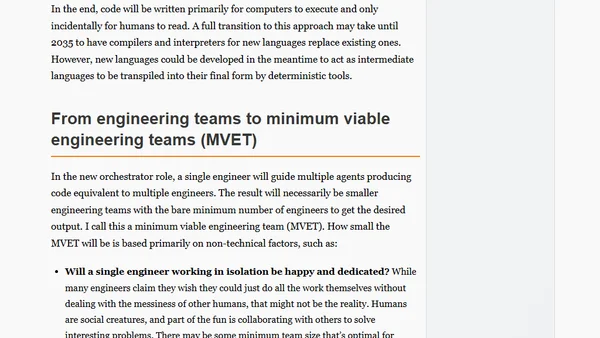
Explores the AI-driven evolution of software engineering from autocomplete to autonomous agents, shifting the developer's role from coder to orchestrator.
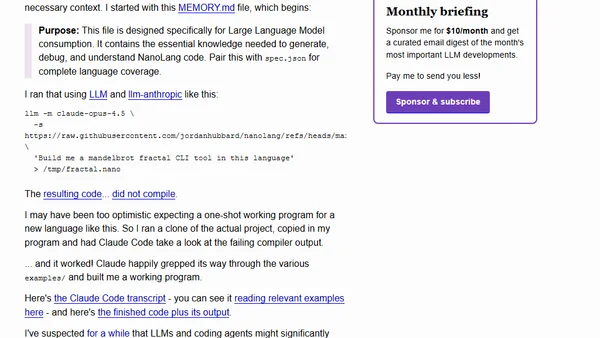
Explores NanoLang, a new programming language designed for LLMs, and tests AI's ability to generate working code in it.
A developer's experience using AI coding agents in a real production environment, highlighting productivity gains and the critical role of engineering expertise.
Author explores the legal and ethical implications of using LLMs to port open source code between programming languages, based on personal experiments.
A developer compares the workflow and experience of using Claude Code vs Cursor AI coding assistants, focusing on their distinct strengths in exploration and convergence.
A software engineer shares practical strategies for effectively using AI coding agents like Claude Code, emphasizing setup and feedback loops.
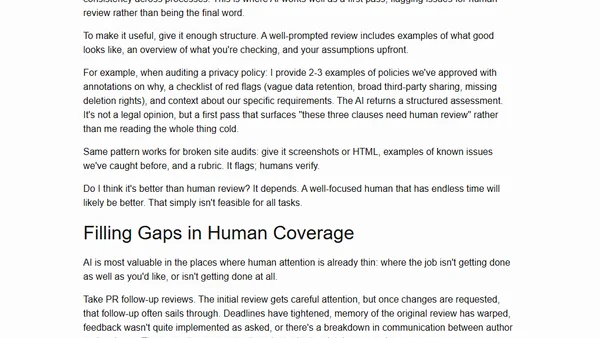
Explores practical uses of AI as a 'force multiplier' for software engineers, focusing on prototyping, offloading cognitive load, and first-pass reviews.