Reckoning: Part 3 — Caprock
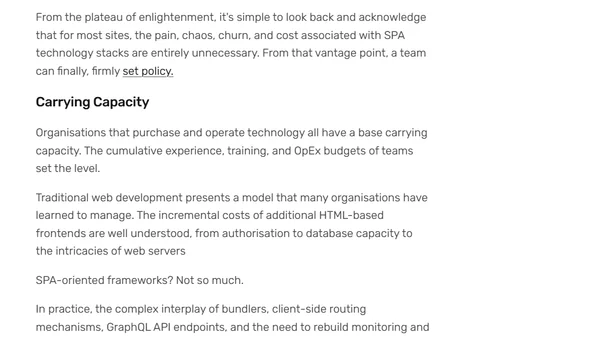
Analyzes how JavaScript-heavy web architectures harm public service sites, causing slow performance and access barriers for users on low-end devices.
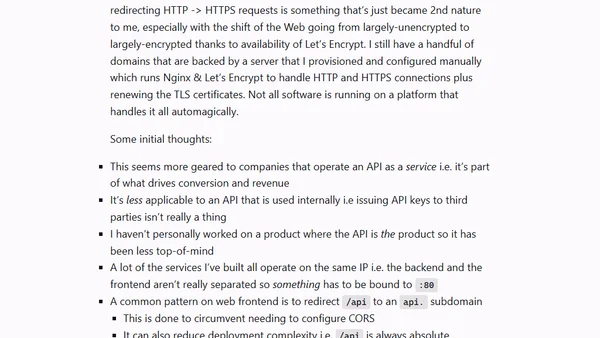
Argues that APIs should not redirect HTTP to HTTPS, but instead disable HTTP or return errors, to prevent accidental unencrypted data exposure.
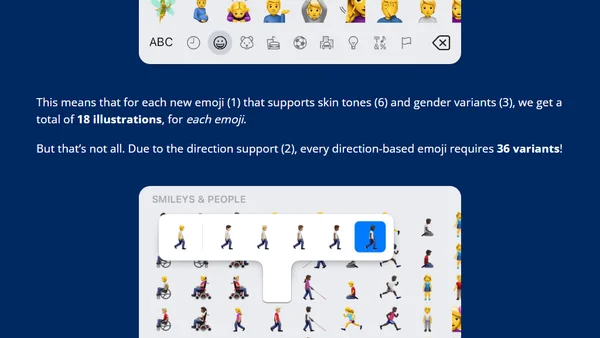
Analyzes the growing complexity of the Emoji standard, focusing on skin tone, gender, and direction variants, and discusses Apple's unprecedented removal of some emojis in iOS 17.4.
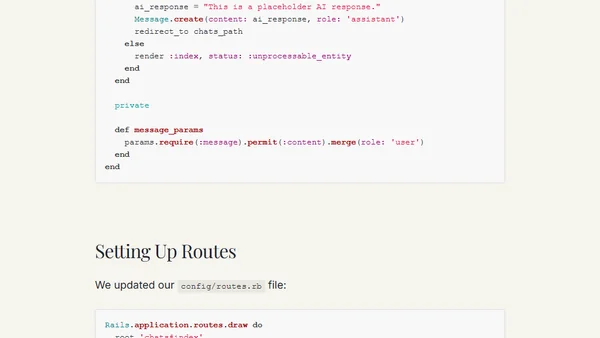
A tutorial on building a ChatGPT-like chat application using Ruby on Rails and the Claude 3.5 Sonnet AI model, covering setup, models, and integration.
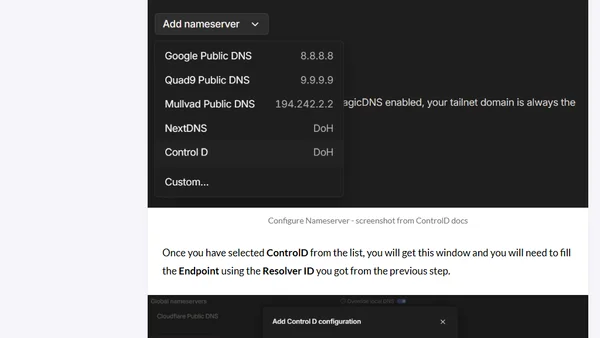
A guide on integrating ControlD DNS with Tailscale to resolve device names while using custom DNS endpoints.
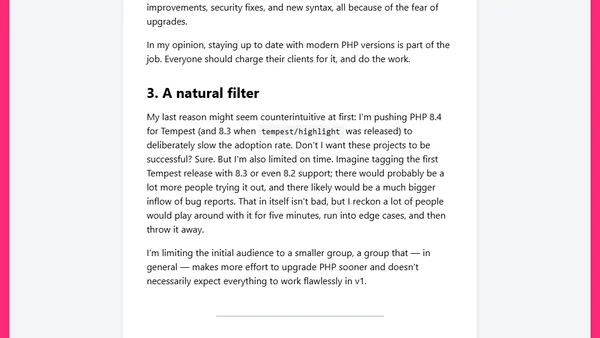
The author explains why their PHP framework, Tempest, will require PHP 8.4 as a minimum version, citing future-proofing, community advancement, and managing adoption.
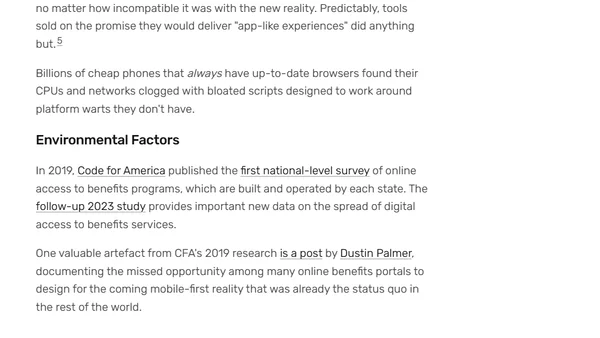
Analysis of California's slow BenefitsCal SNAP portal vs. Code for America's faster, simpler getcalfresh.org, focusing on web performance and architecture.
Explains why micro-benchmarks are often misleading for performance optimization and advocates for real-world profiling instead.
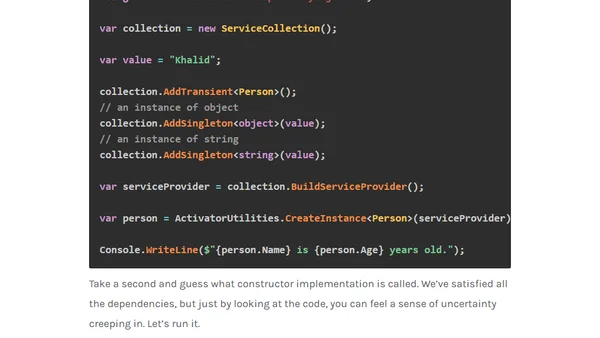
Explains how to use the ActivatorUtilitiesConstructor attribute in .NET to control which constructor is selected during dependency injection.
A guide for R users to learn basics of Python, HTML, CSS, JS, and C++ to enhance their data science and web development projects.
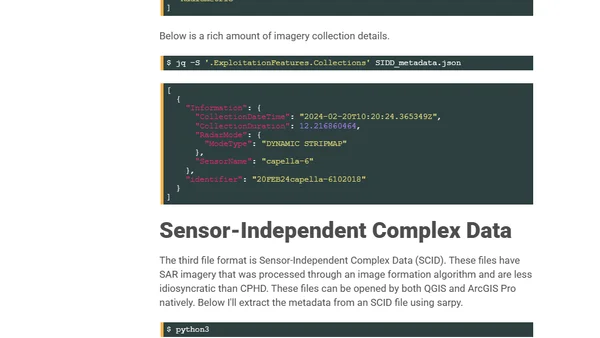
An overview of Capella Space's SAR satellite fleet and a guide to accessing and analyzing their freely available satellite imagery.
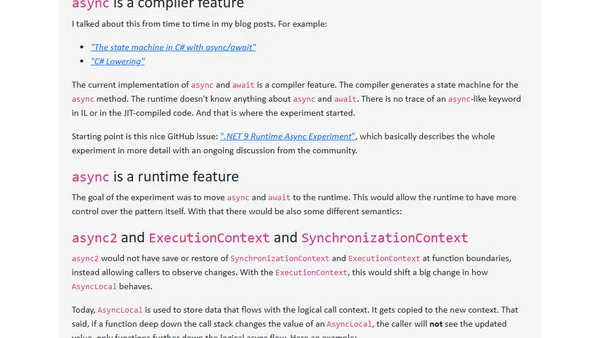
The .NET team concludes its async2 experiment, exploring a new runtime-based implementation of async/await for improved efficiency and flexibility.
An investigation into how JavaScript-first frontend culture and bloated frameworks contributed to performance issues, especially on low-end mobile devices.
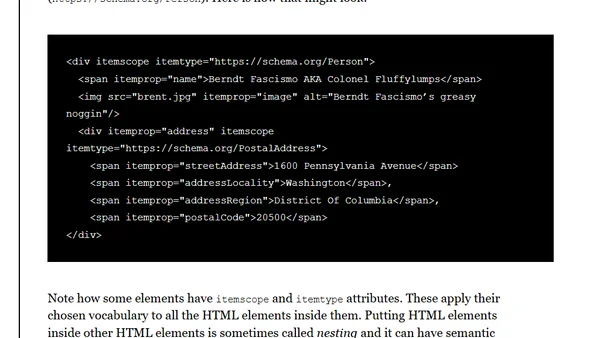
Explains the HTML <address> element's semantic meaning and demonstrates how to correctly mark up contact information using Microdata and schema.org.
Explains the React useCallback hook, its purpose for memoizing functions to optimize performance, and provides a practical usage example.
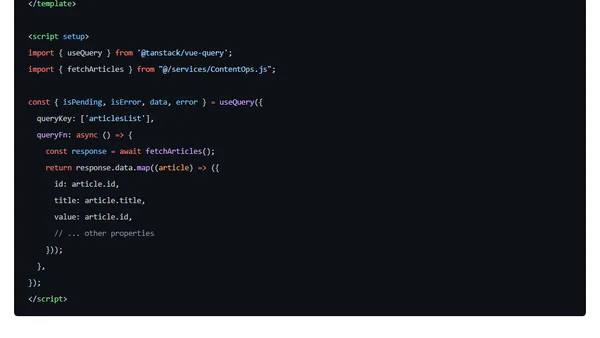
A guide to refactoring Vue.js 3 applications by replacing manual fetch logic with TanStack Query for efficient data fetching, caching, and state management.
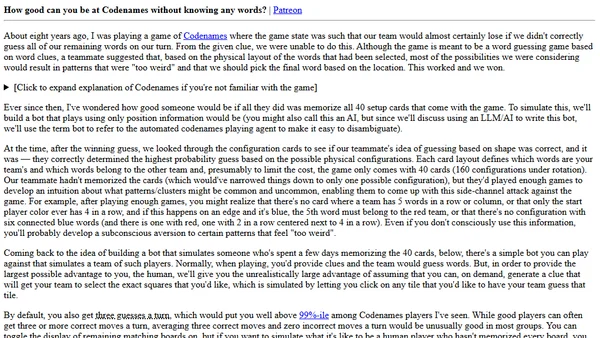
Analyzing if a Codenames bot can win using only card layout patterns, without understanding word meanings.
A guide to using React's useMemo hook for performance optimization through memoization of expensive calculations.
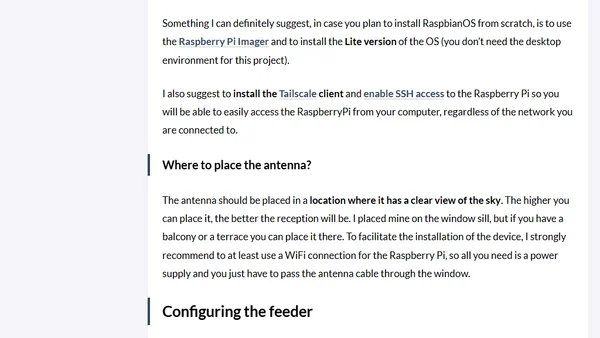
A guide to building a DIY flight tracking system using a Raspberry Pi and an ADS-B receiver to capture real-time aircraft data.
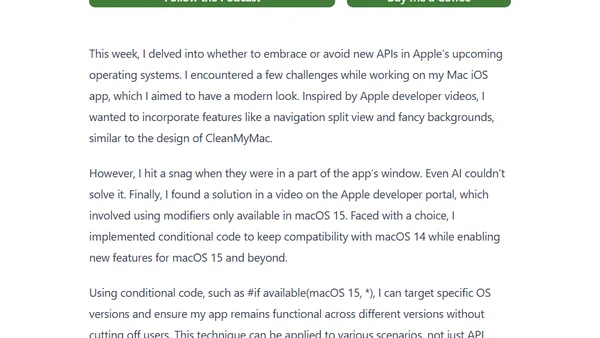
A developer discusses using conditional code to adopt new macOS 15 SwiftUI APIs while maintaining backwards compatibility with macOS 14 for their app.