Setting Expectations: 4 key areas for performance management
A manager outlines four key areas for aligning with team members on performance: Focus, Baseline Expectations, Opportunities, and Risks.
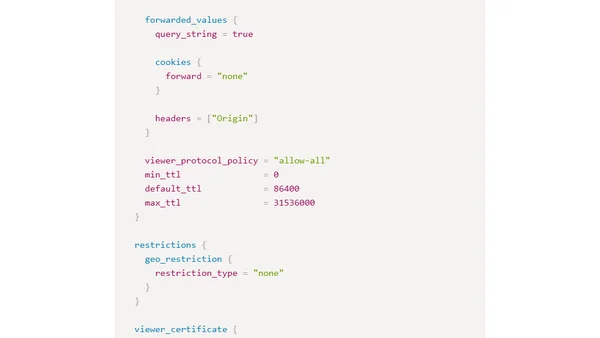
A developer details building a blog using Gatsby and AWS, focusing on DevOps principles, performance, SEO, and professional certification goals.
Explores the importance of over-communication and information sharing to combat isolation and information gaps in remote work environments.
Explores practical team mechanisms like end-of-week debriefs and monthly learning sessions to boost productivity and collaboration in technical teams.
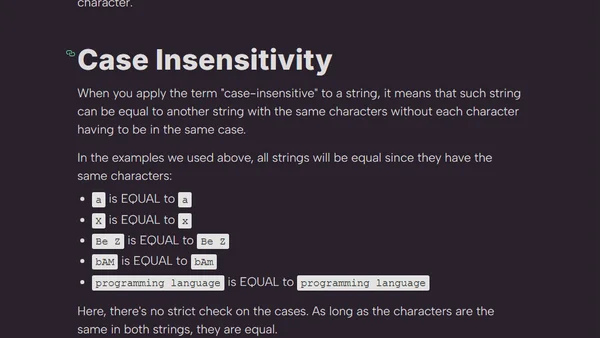
Explains the difference between case-sensitive and case-insensitive string comparisons in programming, with examples and language-specific implications.
A manager argues that effective management is crucial for keeping engineering teams focused on business goals and preventing technical rabbit holes.
A critical look at the use and potential pitfalls of acronyms in programming, using SOLID principles as a primary example.
A software developer analyzes ChatGPT's impact on coding and language, arguing that human developers remain essential despite AI's puzzle-solving abilities.
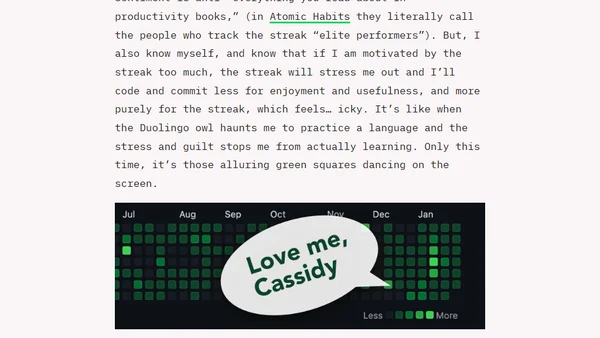
A developer reflects on the psychological impact of maintaining a long GitHub commit streak, balancing productivity with unhealthy obsession.
A backend engineer discusses hiring challenges, focusing on interview skills and common mistakes candidates make when applying for tech roles.
A senior engineer reflects on the true meaning of seniority, emphasizing communication, teamwork, and personal growth over years of experience.
A developer announces a return to blogging with a renewed focus on software's societal impact and engineering principles, moving away from shallow critiques.
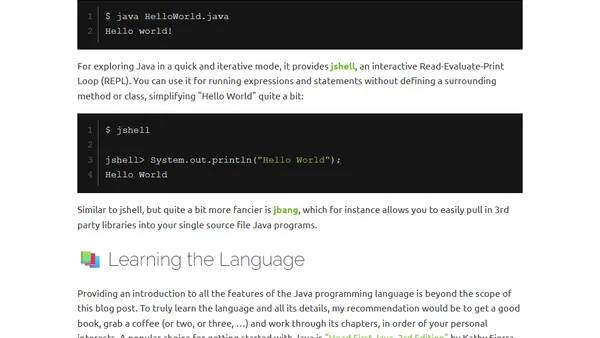
An opinionated guide for beginners starting Java development in 2023, covering setup, tools, and ecosystem recommendations.
Explains the three pillars of work effectiveness: Caring, Capacity, and Leverage, and how to apply them to improve performance.
A developer argues that Kotlin's appeal goes beyond utility, emphasizing the joy and emotional value of using a modern programming language compared to Java.
Explores how storytelling makes software principles like Agile and SOLID more memorable and understandable than dry rules alone.
Engineers should directly engage with customers to understand their needs and demonstrate product value, moving beyond formal user interviews.
Argues that engineering leaders should use software development tools like GitHub issues for management tasks to increase transparency and efficiency.
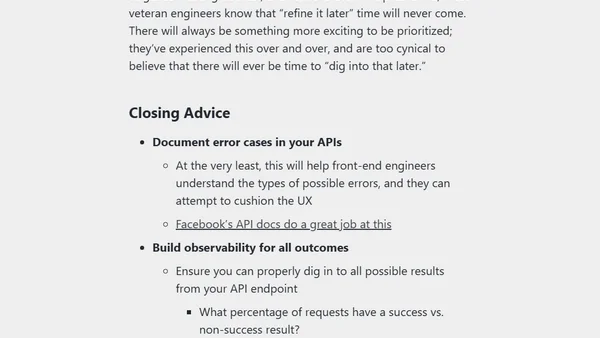
The article argues that focusing on fixing 'Unhappy Paths'—user experience hurdles and errors—is crucial for product adoption, often more than optimizing the ideal 'Happy Path'.
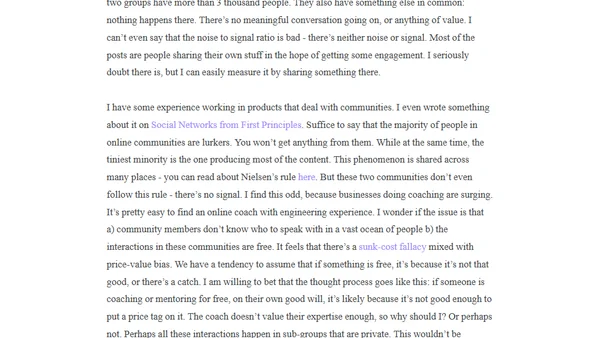
Analyzes why large online tech mentorship communities often fail, exploring issues like free services undervalued and lack of meaningful engagement.