Subterms Modulo Theories I
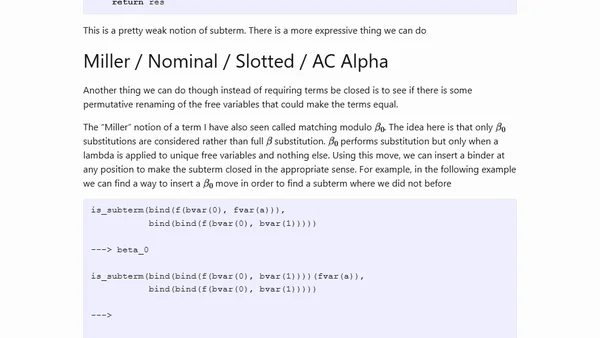
Explores generalizing term operations like unification and rewriting to advanced structures like AC terms and rational terms, with Python examples.
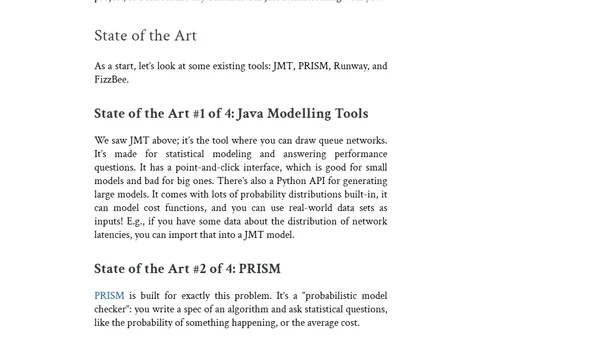
Explores extending TLA+ for performance modeling using queueing theory and simulation, moving beyond just correctness verification.
Summary of talks from the 2025 TLA+ Community Event, focusing on formal methods and model-guided fuzzing for distributed systems.
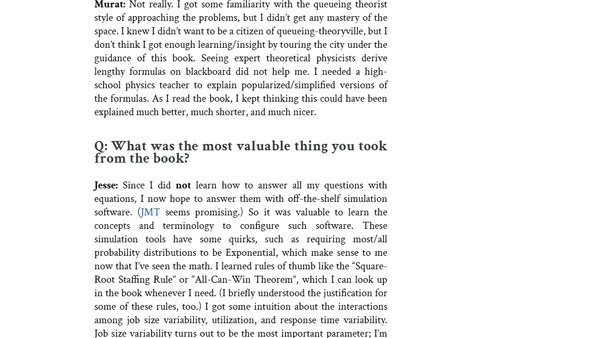
A review of the book 'Performance Modeling and Design of Computer Systems' by a group of distributed systems engineers, assessing its utility for practical performance analysis.
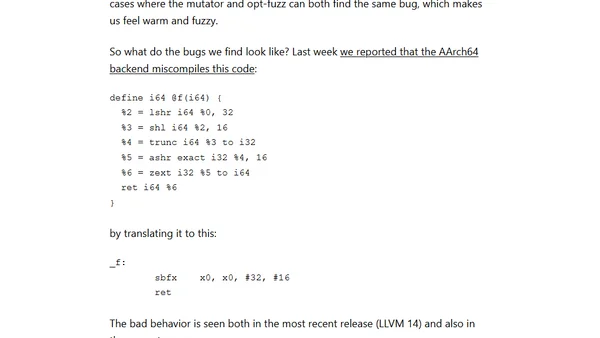
Using formal methods and Alive2 to find bugs in LLVM's AArch64 backend by lifting compiled code back to IR for refinement checking.
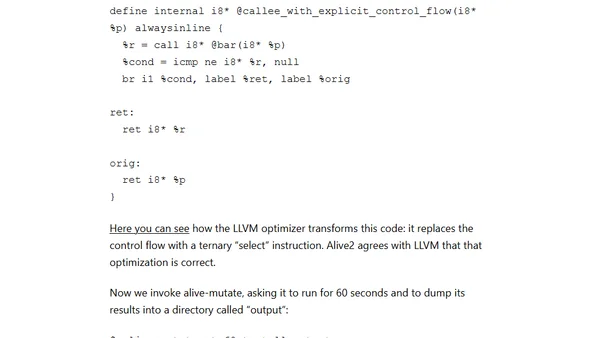
Explores a hybrid fuzzing approach combining mutation-based fuzzing with formal methods (Alive2) to find bugs in LLVM optimization passes.
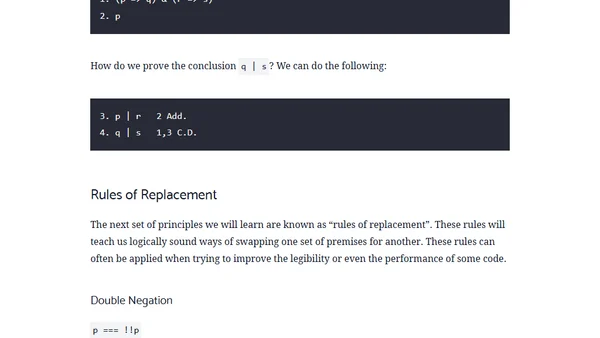
Explores how symbolic logic principles from philosophy and math apply directly to software engineering and programming.
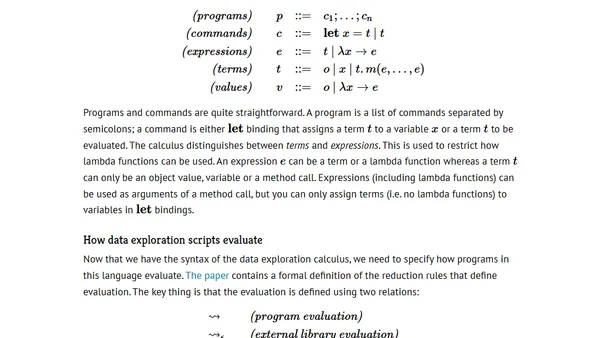
Introduces the 'data exploration calculus', a theoretical model capturing the unique programming patterns used by data scientists and journalists for exploratory data analysis.