The Rise of Subagents
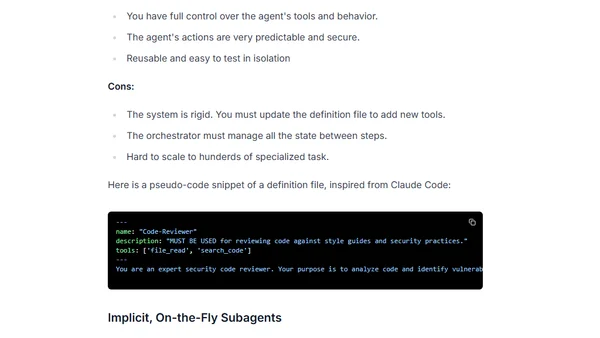
Explains the concept of AI subagents, specialized agents for specific tasks, and their architecture using an orchestrator model.
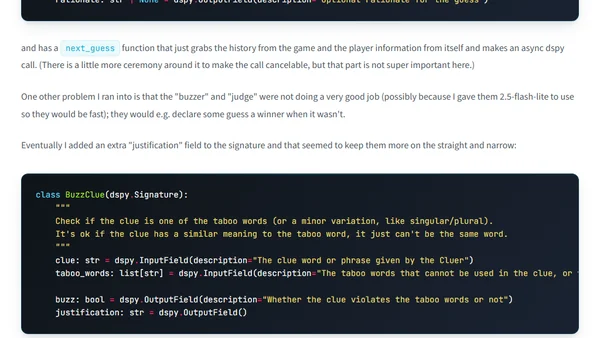
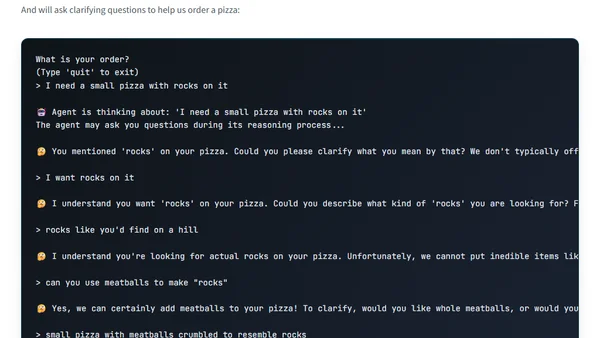
Explores designing a multi-agent AI system by creating autonomous agents that play the word game Taboo, focusing on agent communication and orchestration.
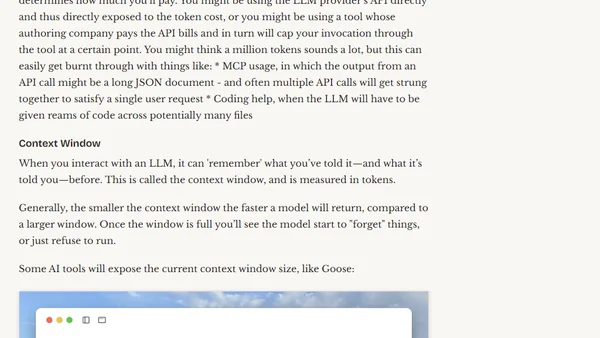
Explores the role of Large Language Models (LLMs) in AI, covering major model families, providers, and concepts like hallucinations.
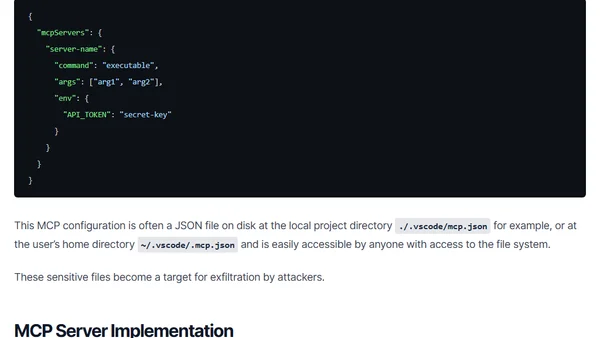
A proposed security evaluation framework for Model Context Protocol (MCP) servers, focusing on configuration and implementation risks for developers.
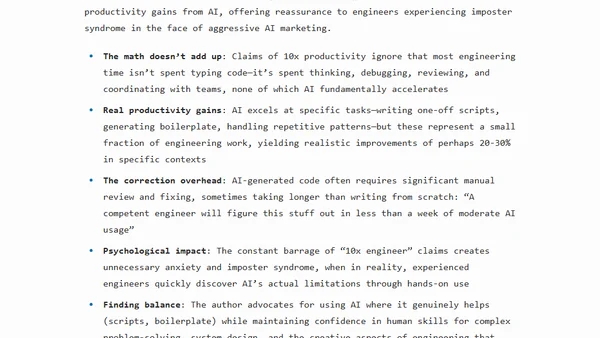
Analyzes AI's impact on software engineering, covering developer evolution, skill gaps, productivity myths, and the future of the profession.
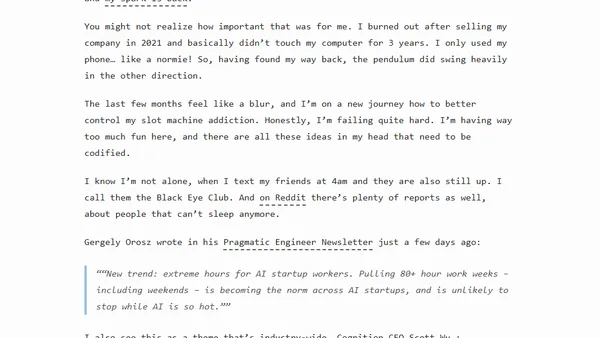
A developer's personal reflection on the addictive nature of AI agentic engineering, the loss of work-life balance, and the industry-wide trend of extreme work hours in the AI space.
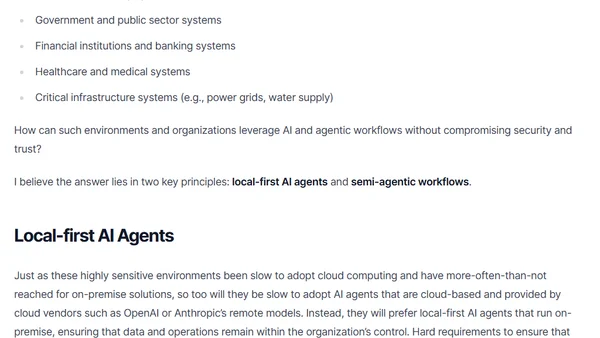
Explores how zero-trust environments like defense and finance can securely adopt AI using local-first agents and semi-autonomous workflows.
Part 2 of a guide on using Docker Compose to enhance the reliability and portability of AI agents, focusing on Dockerfile and compose.yaml.
A tutorial on using Docker Compose to create reproducible, containerized runtime environments for AI agents, focusing on a weather query example.
Explores key traits of AI-native products designed for efficient consumption by AI agents, focusing on context optimization and tool execution.
Explores implementing a 'human-in-the-loop' tool for AI agents using Python async and DSPy, enabling agents to ask users clarifying questions.
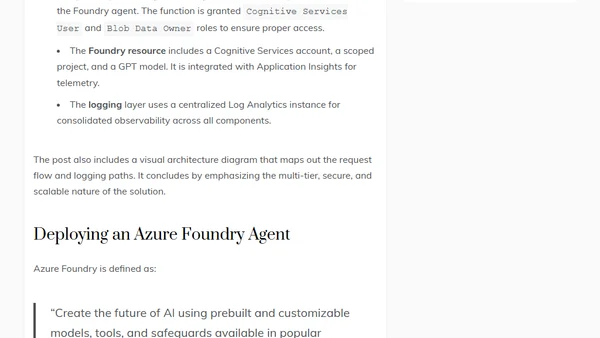
A developer's guide to building an 'AI in a Box' solution using Azure Foundry, Azure Functions, and Static Web Apps, grounded in a personal project.
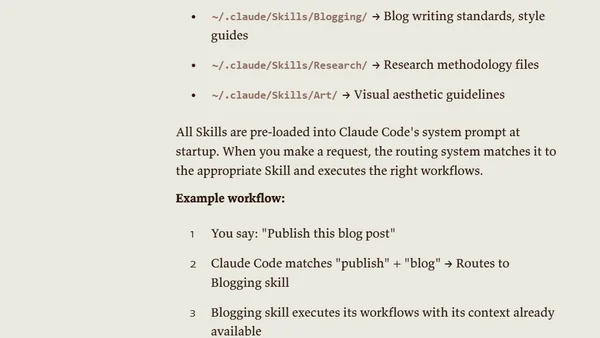
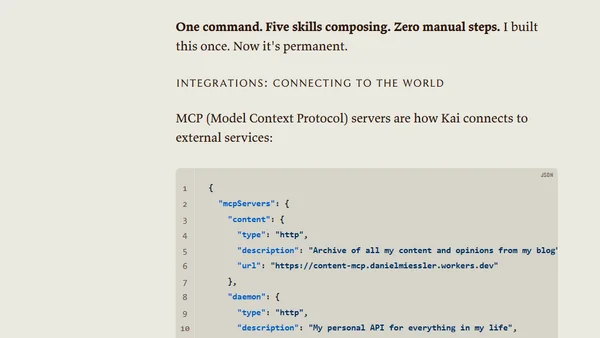
A developer details building a modular, agentic Personal AI Infrastructure (PAI) named Kai, focusing on the 'why' behind AI tools and preparing for a post-work future.
A developer details building a modular, agentic Personal AI Infrastructure (PAI) system named Kai, focusing on the 'why' behind AI development.
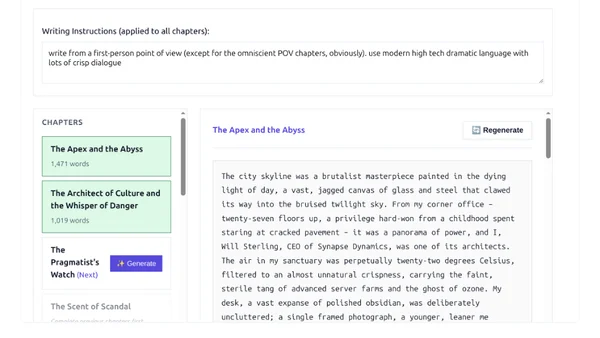
A developer builds an AI-powered novel-writing assistant using the Snowflake method, dspy, and Gemini 2.5 Flash-Lite, sharing the project on GitHub.
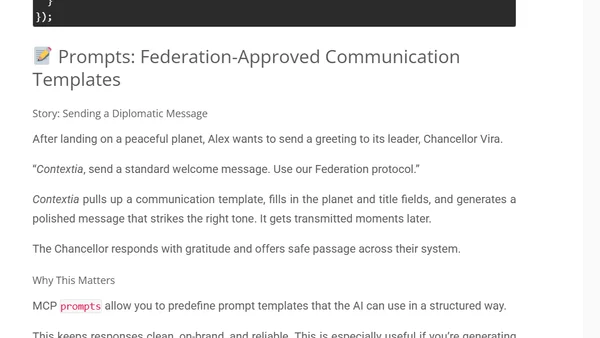
A guide to the Model Context Protocol (MCP) for AI agents, explaining its core capabilities using a story-driven example.
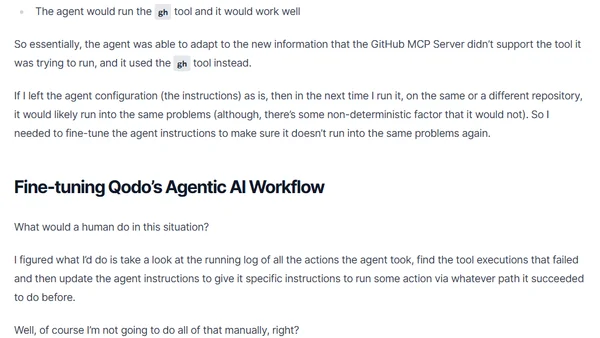
A guide to automating the fine-tuning of AI agent workflows using the Qodo CLI, based on analyzing execution logs to improve instructions.
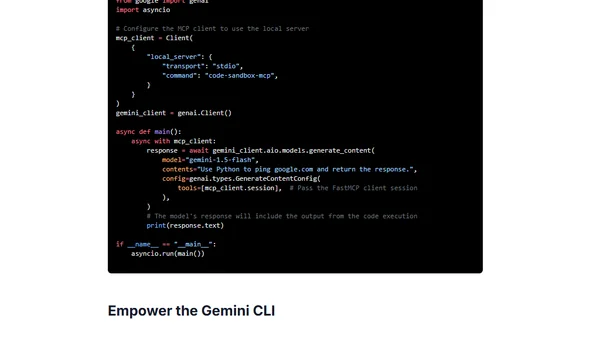
Introducing Code Sandbox MCP, a Model Context Protocol server for safely executing Python and JavaScript code in containers via AI agents.
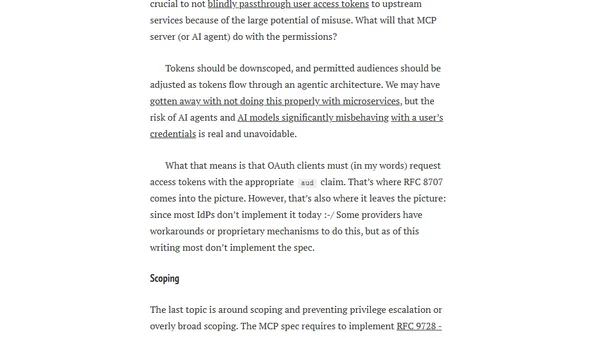
Analyzes key enterprise challenges in adopting MCP servers for AI agents, focusing on security, governance, and authorization complexities.
A technical guide on building a contextual fitness AI agent using LangChain.js, covering architecture, challenges, and implementation details.