Why Open Source Pull Requests Can Take A While
Explains the common reasons why open source pull requests often take weeks, months, or longer to be reviewed and merged.
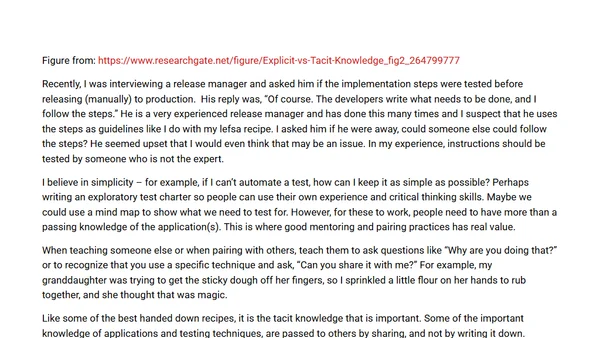
Explores the difference between tacit (experience-based) and explicit (documented) knowledge, using a cooking analogy to discuss implications for software development and knowledge sharing.
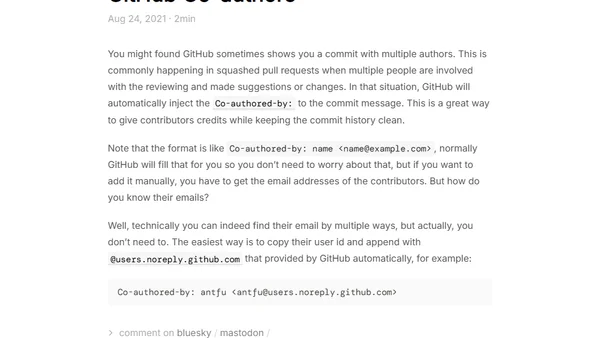
Explains how GitHub automatically adds co-authors to commits in squashed pull requests and how to manually add them using GitHub's no-reply email format.
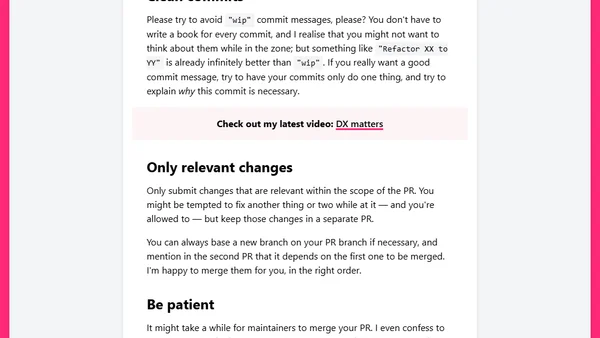
Tips for creating high-quality pull requests in open source projects, focusing on communication, style guides, and documentation.
Learn how to properly credit co-authors in Git commits using the Co-authored-by trailer, supported by GitHub and GitLab.
A developer shares their experience organizing an internal hackathon to foster innovation, collaboration, and creative freedom within a tech team.
A developer shares the highest-ROI tip for productivity: improving collaboration with product and design teams to boost velocity.
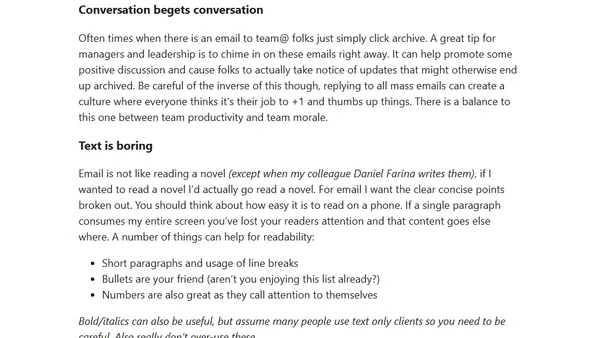
A product manager shares practical tips for using email more effectively to communicate, collaborate, and get better engagement in a tech work environment.
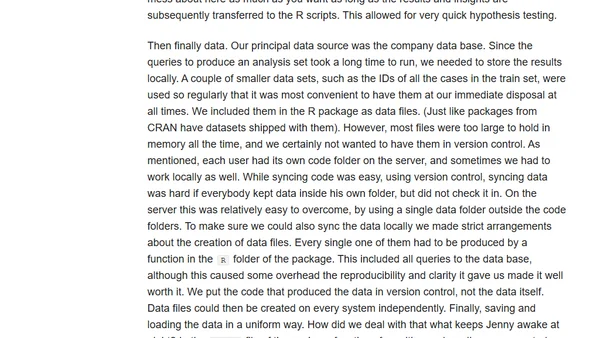
A team shares lessons from a large ML project on organizing code, data, and collaboration using R packages and multi-user server setups.
Explores how lawyers can adopt open source workflows, tools, and philosophies to improve remote collaboration and legal practice.
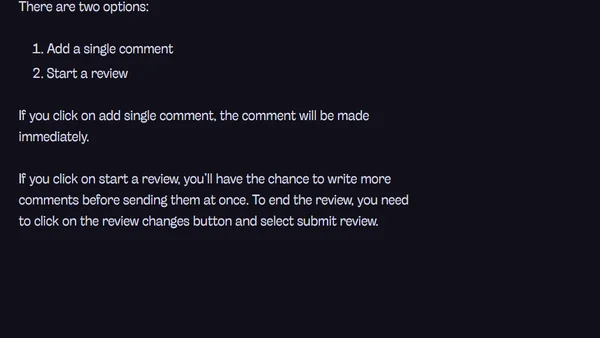
A guide to the GitHub pull request review process, covering merging, commenting, and updating code from both reviewer and submitter perspectives.
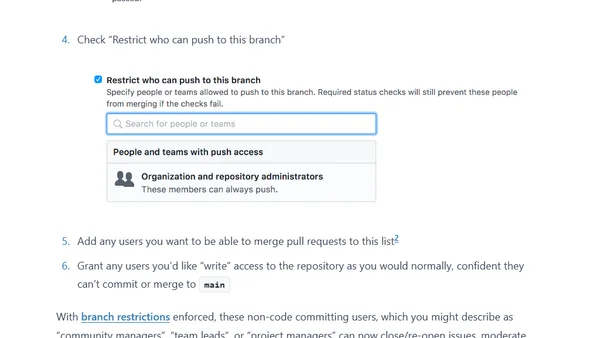
How to use GitHub's protected branches feature to give non-code contributors issue management and moderation permissions without code commit access.
A software tester's reflection on the importance of curiosity, communication, and asking questions in modern Agile development environments.
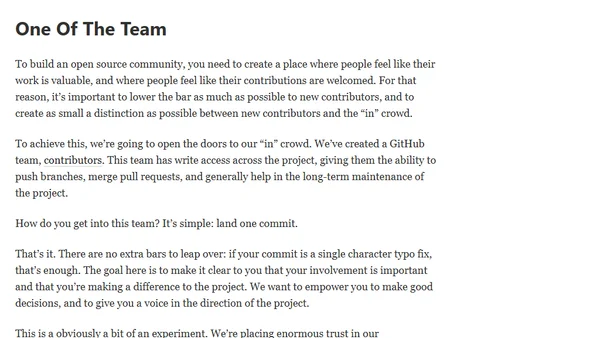
The Hyper open-source project is inviting contributors to join its core team with write access after landing just one commit, aiming to build a sustainable community.
GitHub's internal use of its own platform for non-code collaboration highlights four key traits of modern, open-source-inspired collaboration tools.
Strategies for involving designers in open source projects to improve diversity and project outcomes.
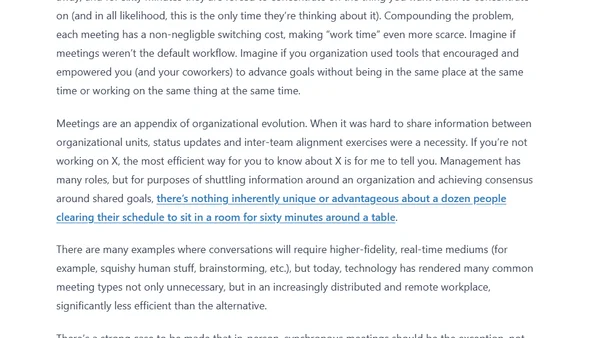
Explains why applying closed-source, meeting-heavy workflows to open source projects leads to failure and advocates for asynchronous, transparent collaboration.
SUSE's Hack Week allows engineers to work on self-chosen projects, fostering innovation, learning, and collaboration.
Five best practices for fostering internal collaboration and culture to succeed in open source projects, especially within large organizations.
A guide to 14 simple tools that make GitHub and open-source collaboration accessible to non-technical users and organizations.